Ayatollbooth! Step Right Up!
Diplo D'oh! Volume 1, Issue 4

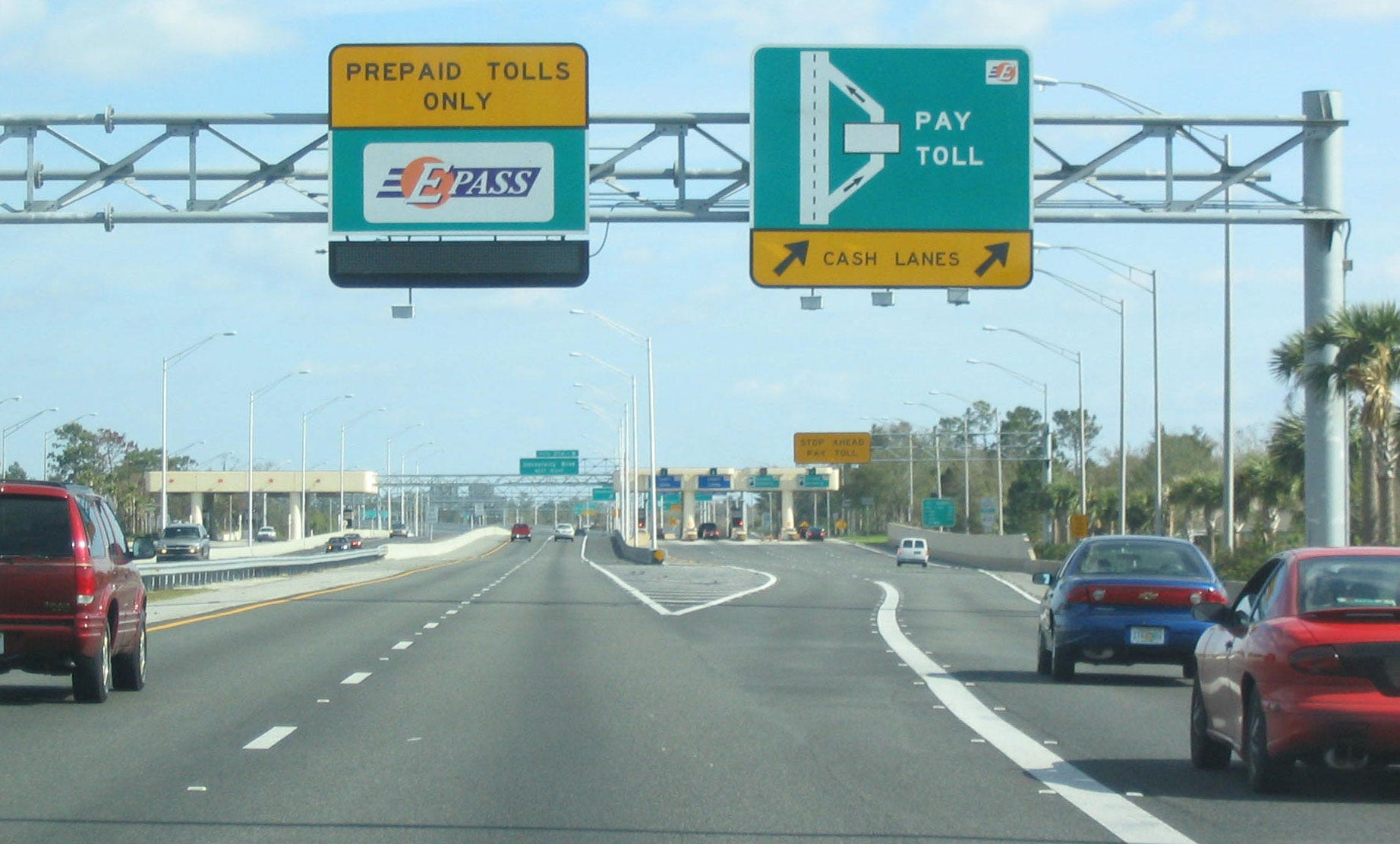

We wouldn't have believed it if we hadn't read it: Carnival barker and improv performer-in-chief Donald Trump capped off a surreal week of increasingly unhinged statements and social media posts with a proposed piracy pact with the Islamic Republic of Iran, remarking Wednesday morning that a “joint venture” with the Tehran to charge tolls for passage through the Strait of Hormuz would be “a beautiful thing.”

It’s not half bad—it’s all bad: Trump’s swerve from threatening to commit war crimes and end civilizations to an ambiguous ceasefire that may effectively accede to Tehran’s long-sought terms and loose talk about jointly collecting tolls for transit through the Strait of Hormuz has been jarring, even for someone as erratic as Trump. But it’s also an expression of the president’s long-standing instinct to treat international affairs as a protection racket. It should come as no surprise, then, that when asked whether he’d partner up with the Islamic Republic on piracy in the Persian Gulf, Trump reflexively said yes.
Indeed, Trump has long viewed America’s alliances as protection rackets—claiming on the 2024 campaign trail that he told NATO allies to “pay up” or he’d “encourage” the Kremlin to “do whatever the hell they want” in Europe, for instance, and saying in May 2025 he wouldn’t defend these allies “if they don’t pay.” His admiration for Vladimir Putin’s mafioso foreign policy is no secret, either, so it makes sense that he’d go for an extortion joint venture with the regime in Tehran. Trump being Trump and lacking the object permanence of a toddler, however, the president now says Tehran should beware collecting tolls on ships passing through the strait.
At this point, what—if anything—will come out of talks between Iranian and American negotiators in Islamabad is anyone’s guess.
Go derper, if you dare: American energy companies aren’t too keen on Trump’s apparent willingness to acquiesce to Tehran’s toll booth on the Strait of Hormuz, which they say would add $2.5 million in costs to each ship that transits the strait—and potentially set a dangerous precedent for other maritime chokepoints like the Strait of Malacca off Singapore and the Bosporus in Turkey.
A better alternative: The thing that’s most needed now is also the very thing the Trump administration remains unable to do: effective diplomacy that achieves lasting results and leaves Americans better off financially and more secure. As we’ve seen time and time again in Ukraine and less well-known conflicts like Sudan, the Trump administration has shown over and over that it’s just not capable of the sort of diplomacy required to actually end conflicts and make America safer.
A different approach would bring Iran’s neighbors and America’s Asian allies into the process—something that would be much more possible if the United States actually had ambassadors in these countries—to ensure they have a voice in a possible outcome that affects them far more directly than anyone else.